Guide To Window Upvc Door: The Intermediate Guide In Window Upvc Door
Understanding UPVC Windows and Doors: The Ultimate Guide
Over the last few years, the appeal of UPVC (unplasticized polyvinyl chloride) windows and doors has actually risen, and for excellent reason. These items provide an ideal blend of effectiveness, style, and toughness, making them a perfect choice for house owners and contractors alike. This short article dives into the different elements of UPVC windows and doors, exploring their advantages, costs, maintenance, and frequently asked concerns.
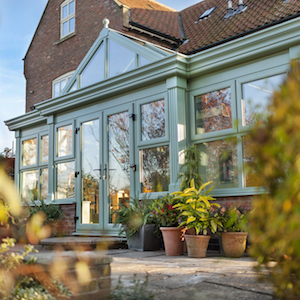
What is UPVC?
UPVC is a kind of plastic that is widely used in the building and construction market, particularly for doors and Window Upvc Door frames. Unlike regular PVC, UPVC does not contain plasticizers, which makes it rigid and ideal for structural applications. The material is resistant to wetness and environmental destruction, offering it a longer lifespan compared to standard products like wood and metal.
Benefits of UPVC Windows and Doors
Toughness: UPVC is extremely resistant to rot, deterioration, and fading, making it an excellent option for climates with severe weather conditions.
Energy Efficiency: UPVC frames can assist improve the energy performance of homes. They are outstanding insulators, which means they can help in reducing heating & cooling costs.
Low Maintenance: Unlike wood frames that may need regular painting and sealing, UPVC can simply be cleaned with soap and water, keeping its look with minimal effort.
Economical: Although the initial investment may be greater than aluminum or wood options, the long lifespan and low maintenance requirements of UPVC make it a more economical choice gradually.
Aesthetically Pleasing: UPVC windows and doors come in numerous styles and colors, making sure house owners can discover an alternative that matches their residential or commercial property.
Table 1: Comparison of UPVC with Other Materials
| Feature | UPVC | Wood | Aluminum |
|---|
| Durability | Extremely durable | Prone to rot & & decay | Rust resistant |
| Energy Efficiency | Exceptional insulation | Moderate insulation | Excellent insulation |
| Upkeep | Low maintenance | High upkeep | Moderate upkeep |
| Cost (Initial) | Moderate to high | High | Moderate |
| Look Options | Wide range readily available | Natural surfaces | Modern finishes |
Types of UPVC Windows and Doors
UPVC products been available in numerous styles to suit different architectural styles and personal preferences. Some common types include:
Windows:
- Casement Windows: Hinged at the side, these windows open external, offering exceptional ventilation.
- Sliding Windows: These windows run on a track, permitting easy opening and closing.
- Sash Windows: Featuring sliding panes, sash windows supply a conventional look and performance.
- Tilt and Turn Windows: Versatile in style, these windows can tilt for ventilation or turn totally for simple cleaning.
Doors:
- UPVC Front Doors: Designed to provide security and insulation, these doors are available in various styles.
- French Doors: These double doors open outside and create a seamless link to outside areas.
- Sliding Patio Doors: Ideal for optimizing views and natural light, these doors operate smoothly along a track.
- Bi-fold Doors: These doors can fold back to produce an open area, best for entertaining or linking indoor and outside areas.
Benefits of UPVC Doors and Windows
Increased Security: UPVC doors and windows are often fitted with multi-point locking systems, making them a safe option for homes.
Noise Reduction: The insulation homes of UPVC assistance in decreasing sound pollution, developing a quieter indoor environment.
Eco-friendly: UPVC is recyclable, making it a sustainable choice for ecologically conscious consumers.
Customizable: With choices for various colors, surfaces, and hardware, UPVC products can be customized to match any home design.
Installation Process
The setup of UPVC windows and doors is crucial for guaranteeing their performance and longevity. Here are the crucial actions involved in the setup process:
Measurement: Accurate measurements of the existing openings are taken.
Preparation: The old frames are eliminated, and the location is cleaned and prepped for the new setup.
Placement: The new UPVC frames are positioned, ensuring they fit snugly within the openings.
Sealing: The frames are sealed using appropriate sealing materials to prevent drafts and water ingress.
Finishing: Final modifications are made to guarantee the windows and doors run smoothly, and any complements are included.
Upkeep Tips for UPVC Windows and Doors
To keep UPVC windows and doors in excellent condition, the following maintenance pointers are advised:
Regular Cleaning: Use a moist cloth or sponge with mild soap to wipe down the frames and glass surface areas. Avoid extreme chemicals that can harm the material.
Examine Seals and Locks: Regularly examine the sealing and locking mechanisms to guarantee they are working correctly.
Oil Moving Parts: Use a silicone-based lube on hinges and locks to keep them running smoothly.
Inspect for Damage: Periodically inspect for any visible damage or use to resolve concerns before they intensify.
FAQs About UPVC Windows and Doors
The length of time do UPVC windows and doors last?
- UPVC windows and doors can last upwards of 20 years with proper upkeep.
Are UPVC products energy efficient?
- Yes, UPVC uses excellent insulation homes, which can substantially boost energy efficiency in homes.
Can UPVC windows be painted?
- While UPVC can be painted, it's typically not recommended, as this may void service warranties and affect the product's stability.
Are UPVC items recyclable?
- Yes, UPVC is recyclable, making it an eco-friendly choice.
Can I set up UPVC doors and windows myself?
- While DIY installation is possible, it is suggested to hire specialists for appropriate and protected setup.
In summary, UPVC doors and windows offer a myriad of advantages that make them a clever investment for homeowners. Their durability, energy efficiency, low maintenance requirements, and wide variety of styles position them as an attractive option in the market. Understanding the characteristics and benefits of UPVC can help consumers make notified choices when upgrading or constructing their homes. As sustainability continues to become progressively crucial, products like UPVC will remain at the forefront of contemporary building.